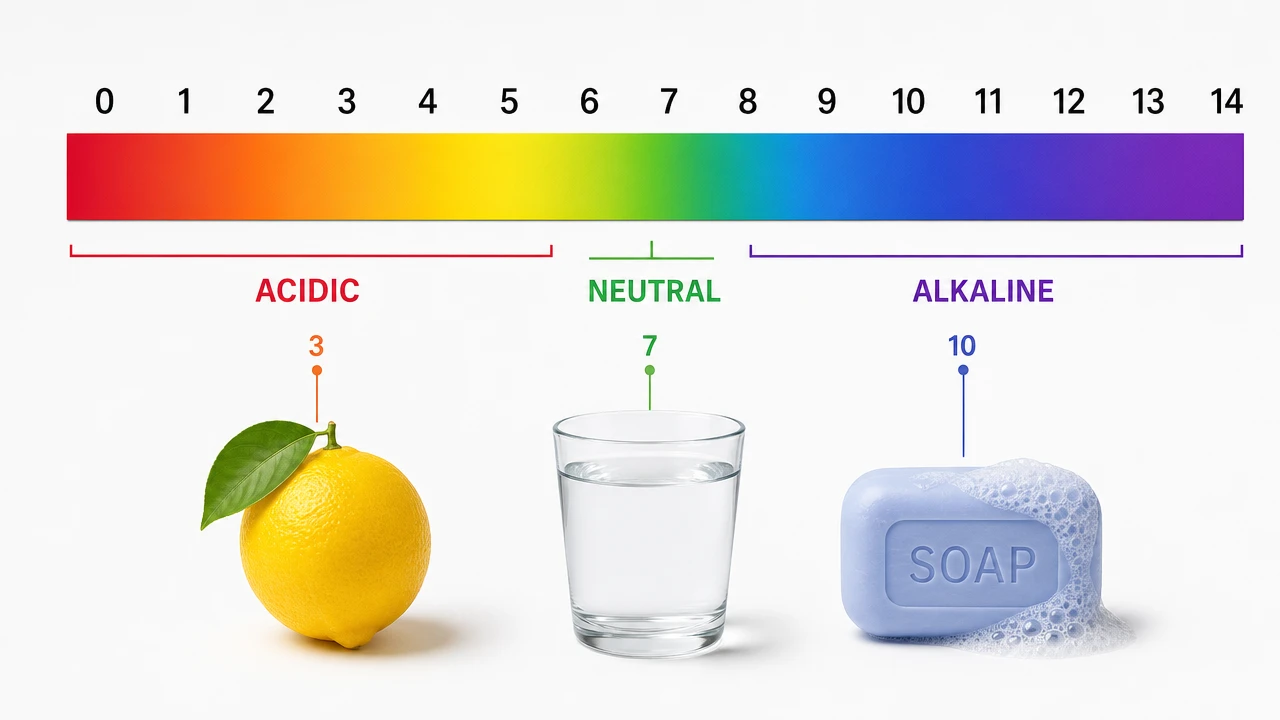
Figure 1: The pH scale from strongly acidic (0) to strongly alkaline (14)
This diagram covers The pH Scale within Acids and Alkalis for GCSE Chemistry. Revise Acids and Alkalis in Chemical Changes for GCSE Chemistry with 25 exam-style questions and 21 flashcards. This topic appears less often, but it can still be a useful differentiator on mixed-topic papers. It is section 3 of 12 in this topic. Focus on the labels, the relationships between parts, and the explanation that turns the diagram into an exam-ready answer.
Practice questions for Acids and Alkalis
Which ion do acids produce when dissolved in water?
Explain the difference between a strong acid and a concentrated acid.
Quick recall flashcards
Name two common alkalis
Sodium hydroxide (NaOH), Potassium hydroxide (KOH)
What is universal indicator?
An indicator that shows a range of colours across the pH scale (rainbow of colours from red to purple)