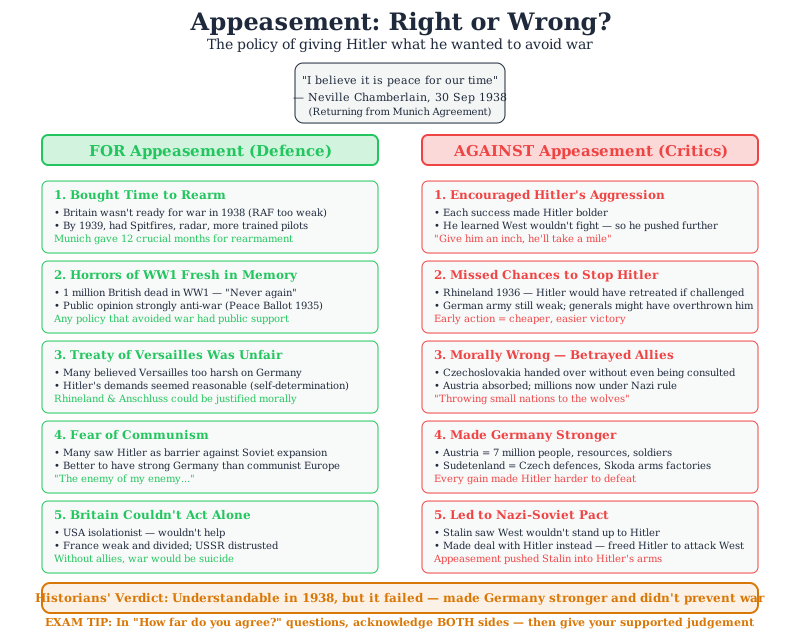
Was Chamberlain right or wrong? Both sides have valid points for essays
✓ Arguments FOR Appeasement
✗ Arguments AGAINST Appeasement
This diagram covers Appeasement: For and Against within Appeasement for GCSE History. Revise Appeasement in Conflict and Tension 1918-1939 for GCSE History with 8 exam-style questions and 15 flashcards. This topic appears less often, but it can still be a useful differentiator on mixed-topic papers. It is section 6 of 16 in this topic. Focus on the labels, the relationships between parts, and the explanation that turns the diagram into an exam-ready answer.
Practice questions for Appeasement
What is the term for the policy of giving in to Hitler's demands in order to avoid war?
At the Munich Conference in September 1938, Britain and France agreed to give which territory to Germany?
Quick recall flashcards
3 arguments FOR appeasement?
1. Versailles unfair, 2. Fear of war, 3. Time to rearm
What is appeasement?
Giving in to demands to avoid conflict — letting Hitler have what he wanted