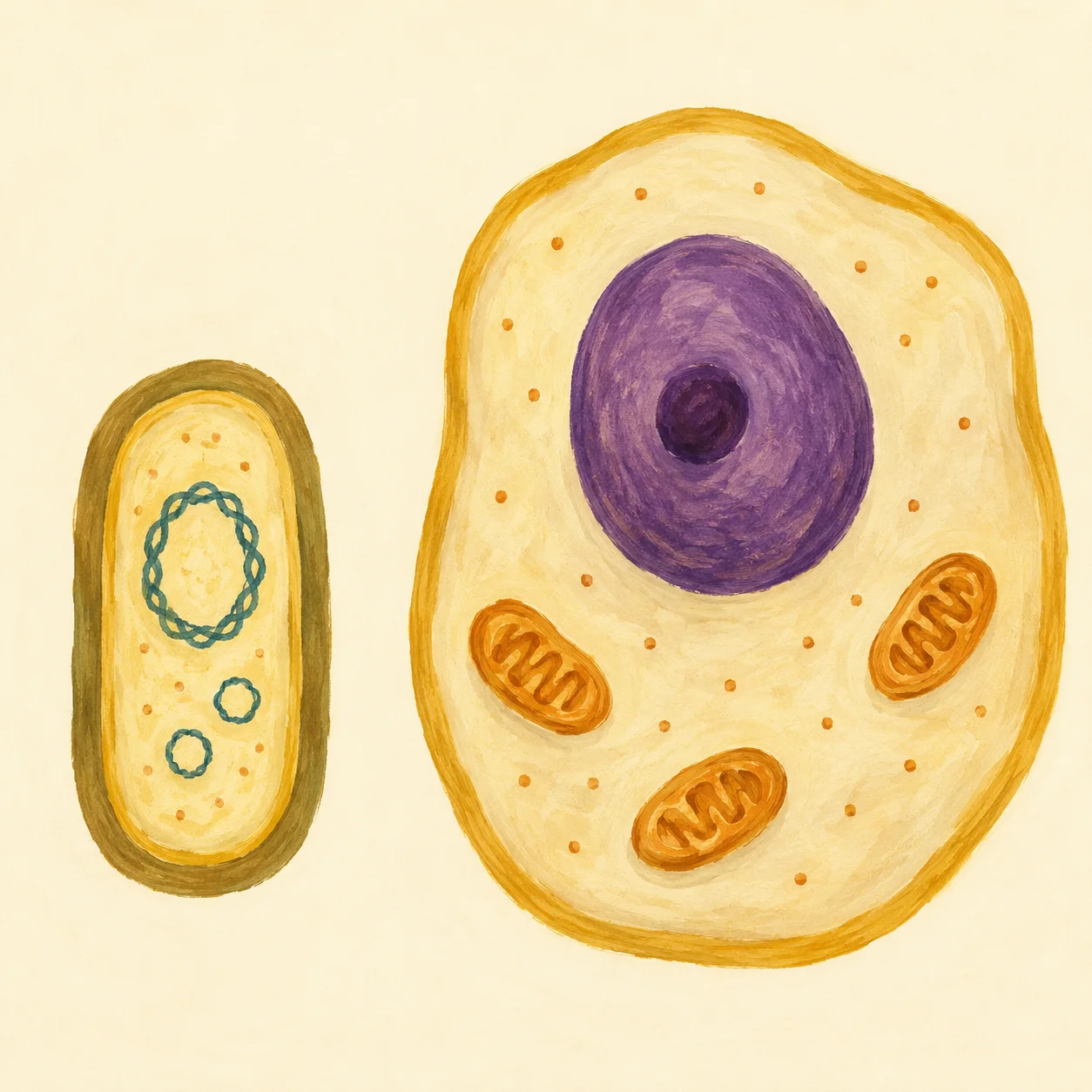
Figure 3: Prokaryotic vs Eukaryotic cell structure
| Feature | Prokaryotic Cells | Eukaryotic Cells |
|---|---|---|
| Nucleus | No true nucleus - genetic material free in cytoplasm | True nucleus enclosed by nuclear membrane |
| Size | Smaller (1-5 μm) | Larger (10-100 μm) |
| Organelles | No membrane-bound organelles | Many membrane-bound organelles |
| Examples | Bacteria, Archaea | Animal cells, Plant cells, Fungi, Protists |
This diagram covers Types of Cells: Prokaryotic vs Eukaryotic within Cell Structure for GCSE Biology. Cell theory, prokaryotic and eukaryotic cells, animal and plant cell organelles, bacterial cells, specialized cells, and microscopy It is section 6 of 17 in this topic. Focus on the labels, the relationships between parts, and the explanation that turns the diagram into an exam-ready answer.
Practice questions for Cell Structure
Which part of the cell contains DNA and controls the cell's activities?
Describe the structure and function of chloroplasts.
Quick recall flashcards
What is the function of the nucleus?
The nucleus is the control center of the cell. It contains DNA which controls all cellular activities and heredity.
What is the function of ribosomes?
Ribosomes are the sites of protein synthesis. They translate mRNA into proteins by linking amino acids together.