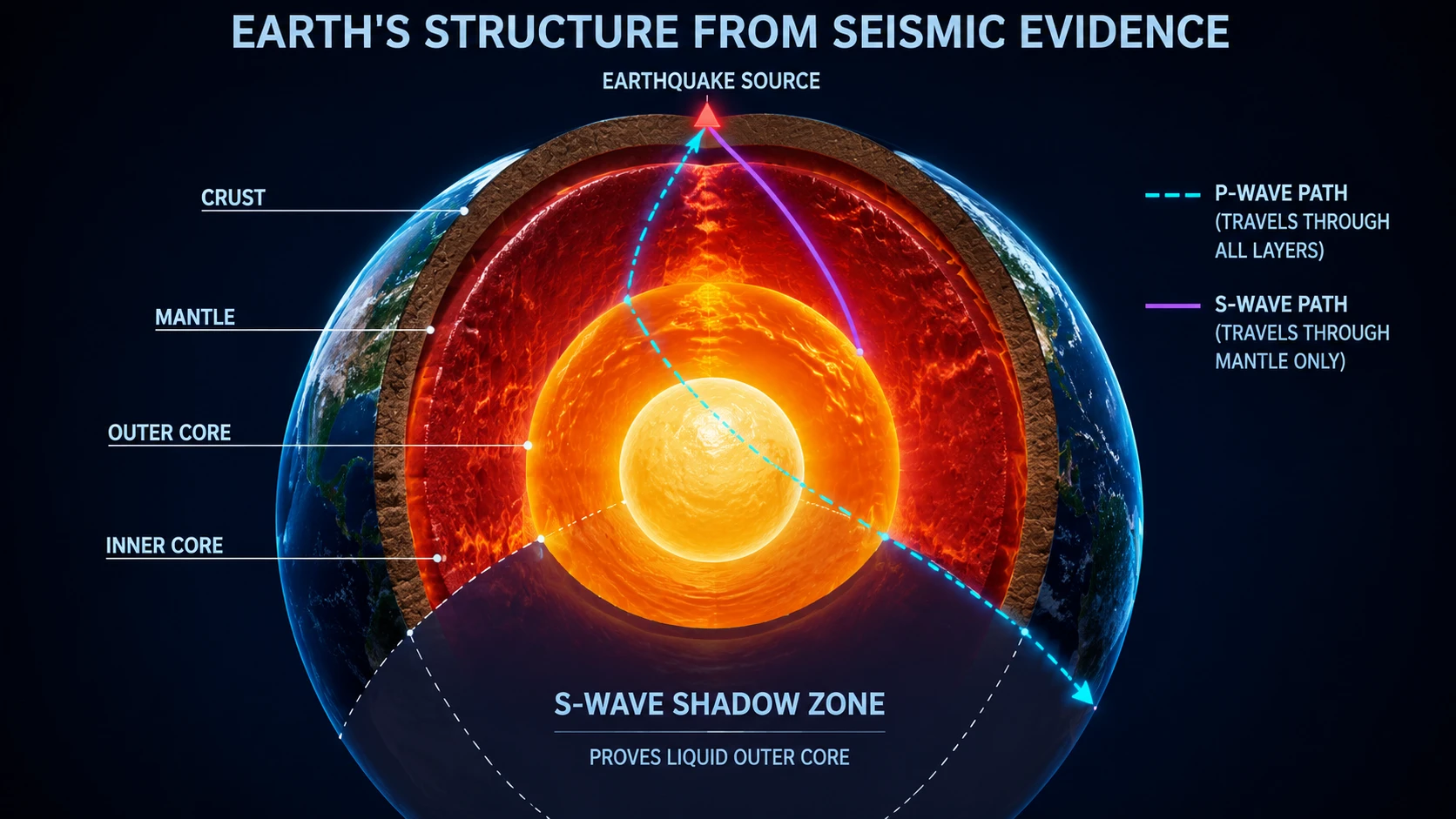
Figure 2: Earth's internal structure as revealed by seismic wave analysis
This diagram covers Earth's Structure from Seismic Evidence within Seismic Waves for GCSE Physics. Revise Seismic Waves in Waves for GCSE Physics with 13 exam-style questions and 15 flashcards. This topic appears less often, but it can still be a useful differentiator on mixed-topic papers. It is section 4 of 14 in this topic. Focus on the labels, the relationships between parts, and the explanation that turns the diagram into an exam-ready answer.
Practice questions for Seismic Waves
What type of wave is a P-wave (primary seismic wave)?
State two differences between P-waves and S-waves in terms of how the particles move and what materials they can travel through.
Quick recall flashcards
What are S-waves?
Secondary (transverse) seismic waves - slower
What are P-waves?
Primary (longitudinal) seismic waves - fastest