Inheritance & EvolutionDiagram

Visual: Variation

Part of VariationGCSE Biology

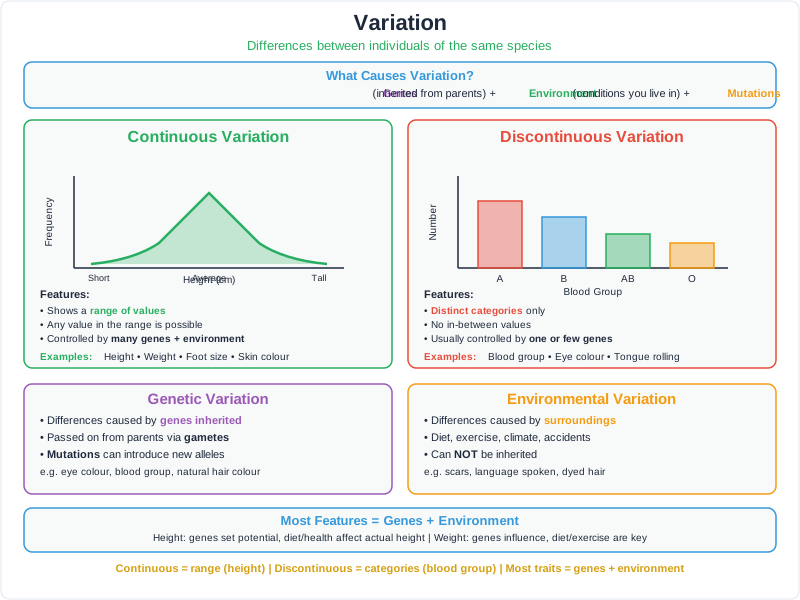
This diagram covers Visual: Variation within Variation for GCSE Biology. Genetic and environmental variation in organisms It is section 3 of 10 in this topic. Focus on the labels, the relationships between parts, and the explanation that turns the diagram into an exam-ready answer.

Topic position

Section 3 of 10

Practice

25 questions

Recall

20 flashcards

Visual: Variation

Variation diagram showing continuous variation (bell curve distribution for height, weight), discontinuous variation (distinct categories like blood type, eye colour), genetic causes (mutations, sexual reproduction), and environmental factors that influence characteristics

Remember: Continuous = range (height, weight) | Discontinuous = distinct groups (blood type) | Most traits affected by BOTH genes AND environment

Keep building this topic

Read this section alongside the surrounding pages in Variation. That gives you the full topic sequence instead of a single isolated revision point.

Practice Questions for Variation

What is the main difference between genetic variation and environmental variation?

  • A. Genetic variation is caused by differences in DNA, environmental variation is caused by external factors
  • B. Genetic variation affects all organisms equally, environmental variation affects each organism differently
  • C. Genetic variation is reversible, environmental variation is permanent
  • D. Genetic variation only affects physical traits, environmental variation only affects behavioral traits
1 markfoundation

Explain how mutations contribute to genetic variation in populations.

4 marksstandard

Quick Recall Flashcards

What is variation in biology?
Differences in characteristics between individuals of the same species. Variation can be due to differences in genes (genetic variation), the environment, or a combination of both.
What are the two main causes of genetic variation?
1. Mutations — random changes to DNA that create new alleles. 2. Sexual reproduction — combines alleles from two parents in unique combinations, producing offspring different from both parents.

25 questions on Variation — practise free

Instant marking, adaptive difficulty, and 20 spaced repetition flashcards. Free until your GCSEs.

Try PrepWise Free